Channelscaler PRM: A 2026 Operator’s Take on When It Fits

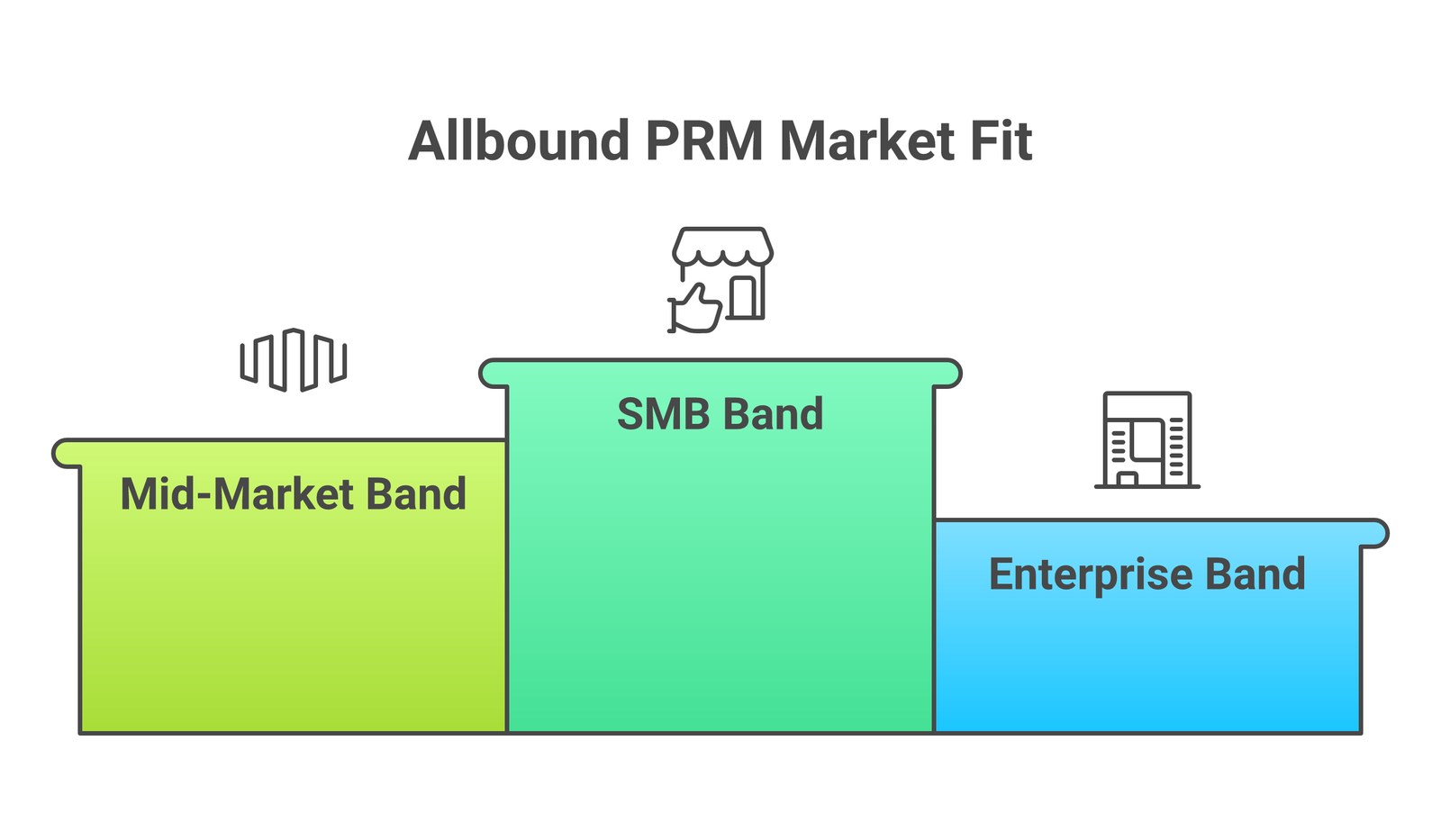
Channelscaler is a partner relationship management platform that wins consistently in the SMB-mid market band: a clean partner portal, accessible content management, deal registration that works out of the box, and a price point that doesn’t require a finance approval cycle to renew. The platform is a strong fit for partner programs in the 5-50 partner band that need a working portal more than they need an enterprise-scale orchestration platform. What matters more than the platform choice is the operating discipline you bring to it; the best PRM produces the same flat results as a worse PRM if the operating cadence isn’t there.
The pattern across PRM evaluations I see at customer organizations is that the platform decision gets framed as “which PRM is best” when the right framing is “which PRM fits our motion at our scale.” Channelscaler, Impartner, ZINFI, PartnerStack, and Mindmatrix are all production-grade for SMB-mid market platform vendors; the difference between them at that band is workflow surface, content management, and per-seat pricing, not whether the platform “works.”
This piece covers what Channelscaler is, where it fits in the PRM landscape, the operating habits that make any PRM compound, the failure modes I see most often, and how PRM choice connects to the broader partner program.
What is Channelscaler PRM?
Channelscaler is a partner relationship management platform built for vendors running 5-200 partner relationships across resale, tech ecosystem, and services partner motions. Core capabilities are partner portal, content management, deal registration, learning management, partner marketing automation, and basic reporting. The platform is positioned for accessibility: fast to deploy, partner-side easy to use, modest price point relative to enterprise PRMs.
The product has been around long enough that the core capabilities are mature. The portal handles partner sign-up, profile management, asset access, and partner-facing content delivery. The deal registration module supports the standard registration-to-validation-to-protection workflow. The learning management module supports certifications and training tracks. The reporting layer provides partner-program metrics that can be exported to a CRM for deeper analysis.
Channelscaler is one of several PRMs in the SMB-mid market band. Direct alternatives include Impartner, ZINFI, PartnerStack, Mindmatrix, Magentrix, and a handful of newer entrants. The trade-offs across these are workflow surface, content management depth, integration breadth, and per-seat pricing. Treat the choice as a fit decision rather than a quality decision; all the named platforms are production-grade.
Why Channelscaler makes sense at the SMB-mid band
Channelscaler fits when you need a working partner portal in 30-60 days, your partner cohort is 5-50, your operating motion is more about consistent enablement and deal-reg discipline than about complex multi-tier orchestration, and your finance team won’t approve a six-figure annual PRM commitment at this stage.
The first condition is deployment timeline. Channelscaler’s strength is that it ships a working partner portal quickly. Larger PRMs (Impartner Enterprise, ZINFI Enterprise) have more configuration depth but require more deployment time. If your partner program is opening to its first 5-10 partners in the next quarter, the deployment-speed advantage matters.
The second condition is partner cohort size. Channelscaler is built for the 5-200 partner band; partner programs much above that scale start needing the orchestration layer that enterprise PRMs provide. A 500-partner program will eventually need workflows Channelscaler doesn’t natively support; a 30-partner program will spend years before hitting a workflow Channelscaler can’t handle.
The third condition is operating motion fit. Channelscaler’s strengths are content management, deal registration, and partner enablement. If your motion runs primarily on these capabilities, which most SMB-mid market resale and tech-partner motions do, the platform’s strengths align with what you’ll spend time on.
The fourth condition is budget. Channelscaler’s pricing sits in the low-to-mid five figures annually for typical mid-market deployments; enterprise PRMs run multiples of that. At early stage, the budget difference matters; at mature stage, the budget difference is less significant than the workflow fit.
How Channelscaler (and any PRM) actually works in operating terms
The PRM doesn’t run the program; the operating cadence does. The PRM provides the workflow surface (portal, deal-reg flow, content library, certifications, reporting), and the operating team produces the discipline that makes the surface compound. Strong PRM deployments share three habits regardless of platform: the partner portal is updated weekly with new content, the deal-reg flow is audited monthly for fairness, and the partner-facing reporting is published quarterly to the partner cohort.
The partner portal compound effect comes from consistent content updates. A portal updated quarterly looks dead to a partner AE; a portal updated weekly with relevant new content (case studies, talking points, joint promotional opportunities) becomes part of the partner AE’s working surface.
The deal-registration audit prevents the most common failure mode of any deal-reg program: partners complain that the rules aren’t applied fairly, which erodes trust and shrinks registration volume. Strong programs audit registrations monthly: confirm the rules were applied consistently across the cohort, surface edge cases, and adjust the documented policy where necessary.
The partner-facing reporting compound effect comes from transparency. Partners trust programs that share the metrics back; they distrust programs that don’t. Strong programs publish quarterly metrics to the partner cohort: registered deals, validated deals, MDF utilization, certification progress, tier progression.
Common pitfalls in PRM deployment (Channelscaler or otherwise)
The pitfalls are operating pitfalls, not platform pitfalls. Three patterns repeat across PRM deployments at the SMB-mid band, regardless of which platform is chosen.
The first pitfall is buying the platform without naming the operating owner. The platform produces a workflow surface but doesn’t produce content, doesn’t audit deal registrations, and doesn’t decide partner tier disputes. Without a named operating owner with capacity to do this work, the platform produces a portal that looks complete and a partner cohort that doesn’t engage with it.
The second pitfall is trying to scale beyond the platform’s design band. Channelscaler at 500 partners will struggle in ways Channelscaler at 50 partners doesn’t. The right move at scale is to either move to an enterprise PRM or to segment the partner cohort.
The third pitfall is treating the PRM as the partner experience. The PRM is one surface among many. Partners spend more time in their email, their CRM, and their internal tools than they do in your partner portal.
Where Channelscaler sits relative to alternatives
| PRM | Best fit | Strengths | Trade-offs |
|---|---|---|---|
| Channelscaler | SMB-mid market platform vendors with 5-50 partners | Fast deployment, accessible UX, deal-reg works out of the box | Less workflow depth than enterprise PRMs |
| Impartner | Mid-market to enterprise programs with multi-tier orchestration | Mature workflow engine, broad integration footprint | Heavier deployment, higher price point |
| ZINFI | Vendors needing multi-language and regional partner program support | Strong international capabilities, flexible workflow | More configuration overhead |
| PartnerStack | Vendors with significant SMB partner / affiliate motion | Affiliate-friendly mechanics, strong payout automation | Less suited to enterprise resale motions |
| Mindmatrix | Vendors with heavy partner marketing automation needs | Through-channel marketing depth | More marketing-led than sales-led |
| Magentrix | Vendors anchored on Salesforce wanting native-feel PRM | Salesforce-native architecture | Trade-offs of being inside Salesforce |
Treat the table as a starting point, not a recommendation. The right PRM depends on the specific motion, the partner cohort, the existing tech stack, and the operating capacity. Most SMB-mid market vendors will be well served by any of the platforms in the table once the operating model is right.
Forecastable’s POV
The PRM choice is one of the easier decisions in a partner program; the harder decision is the operating model. Most teams over-evaluate the PRM and under-evaluate the operating cadence. Reverse the proportions: spend two weeks defining the operating model and two days picking the PRM.
Two specific calls Forecastable makes consistently. First: the platform is a force multiplier for an existing motion, not a substitute for the motion. If the operating cadence isn’t defined (who updates the portal, who audits deal registrations, who publishes metrics), the platform produces a static portal regardless of vendor. Second: the right PRM at the SMB-mid band is whichever one fits your existing tech stack, your team’s operating capacity, and your motion. Channelscaler is a strong choice in that band; so are Impartner, ZINFI, PartnerStack, Mindmatrix, and Magentrix.
Channelscaler, Impartner, ZINFI, PartnerStack, Mindmatrix, and Magentrix all publish detailed product documentation and case studies worth studying before you commit. The vendor demos are necessary but not sufficient. Talk to two or three current customers in your size band before signing.
Frequently asked questions
What is Channelscaler PRM?
A partner relationship management platform built for vendors with 5-200 partner relationships across resale, tech ecosystem, and services motions. Core capabilities are partner portal, content management, deal registration, learning management, and partner marketing automation.
How much does Channelscaler cost?
Channelscaler’s pricing typically sits in the low-to-mid five figures annually for typical mid-market deployments. Get a quote during evaluation; pricing varies based on partner count, modules, and integration depth.
How does Channelscaler compare to Impartner?
Impartner has more workflow depth and is a better fit at enterprise scale (500+ partners with multi-tier orchestration); Channelscaler has faster deployment and a more accessible price point, fitting better at the 5-200 partner SMB-mid band.
What’s the deployment timeline for Channelscaler?
Channelscaler’s strength is fast deployment, typically 30-60 days to a working partner portal.
Is Channelscaler a good fit for an enterprise partner program?
Channelscaler is most often the right choice at the 5-200 partner band. Enterprise programs (500+ partners with complex multi-tier orchestration) are usually better served by Impartner Enterprise, ZINFI Enterprise, or a custom-built PRM stack.
What integrations does Channelscaler support?
Standard integrations include Salesforce, HubSpot, Marketo, Pardot, and several email marketing platforms. Verify your specific integration requirements during evaluation.
Does Channelscaler support deal registration?
Yes. Deal registration is one of Channelscaler’s core capabilities and supports the standard registration-to-validation-to-protection workflow.
Next step
If you’re evaluating Channelscaler (or any PRM), define the operating model first: who updates the portal, who audits deal registrations, who publishes partner metrics, and what cadence runs on each. The platform is a force multiplier for the operating model; without the model, the platform sits.
Forecastable is an independent third-party professional services company. Our evaluations of other vendors are based on publicly-available information as of May 2026 and our own client experience.
Talk to our team about building the operating model that makes a PRM compound →
By Alex Buckles
Uncover Your Growth Potential
Schedule a Discovery Call